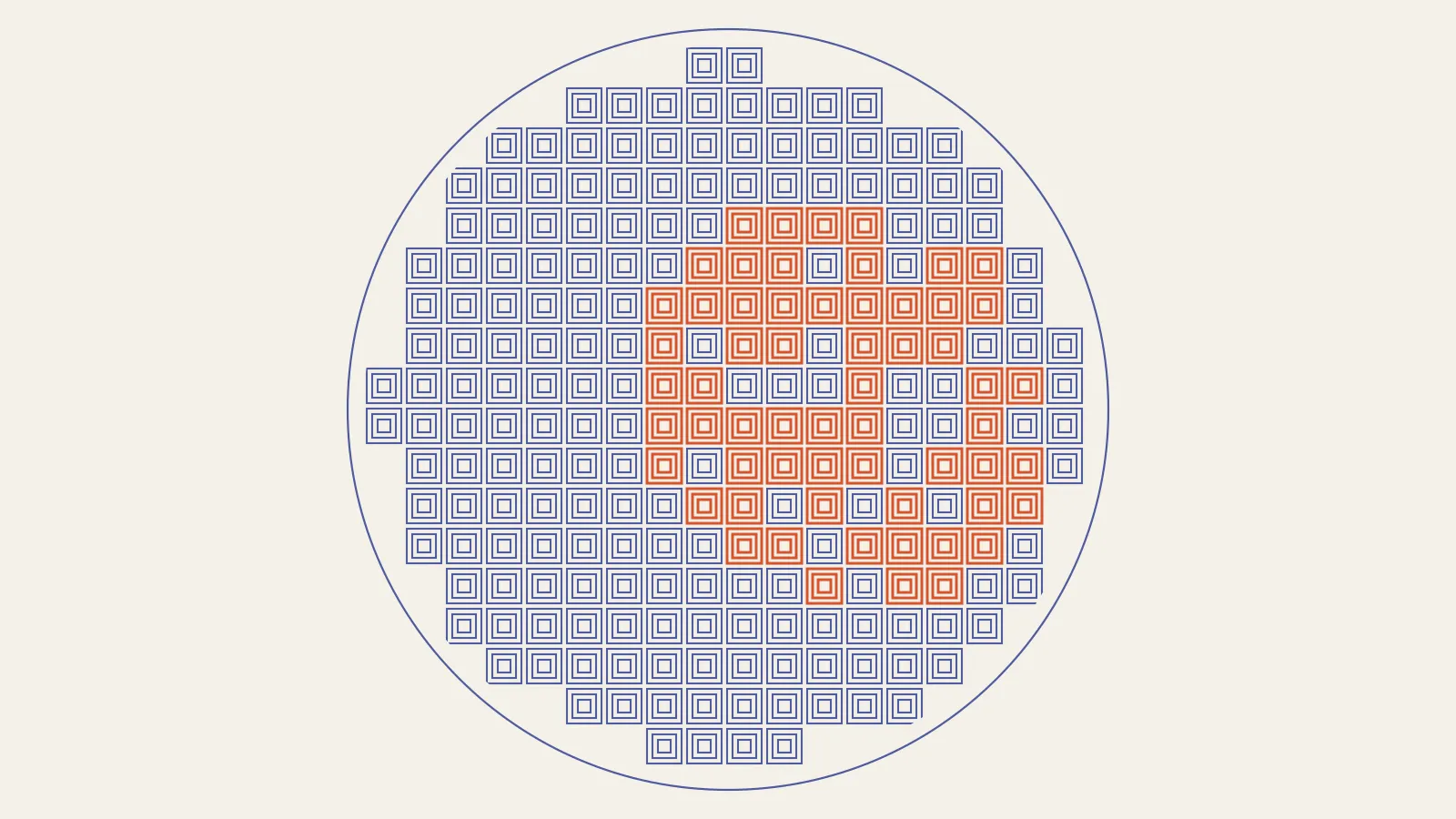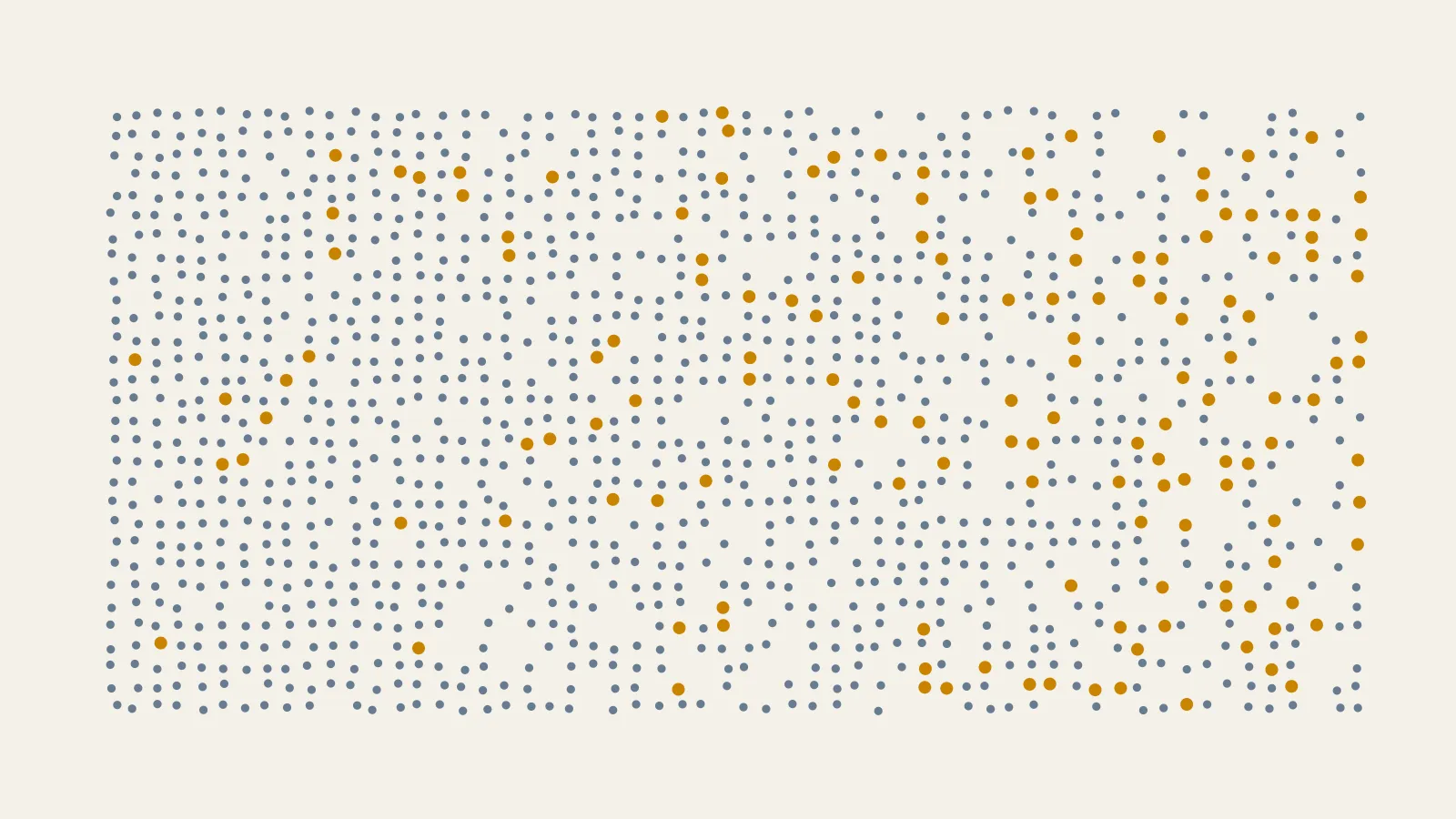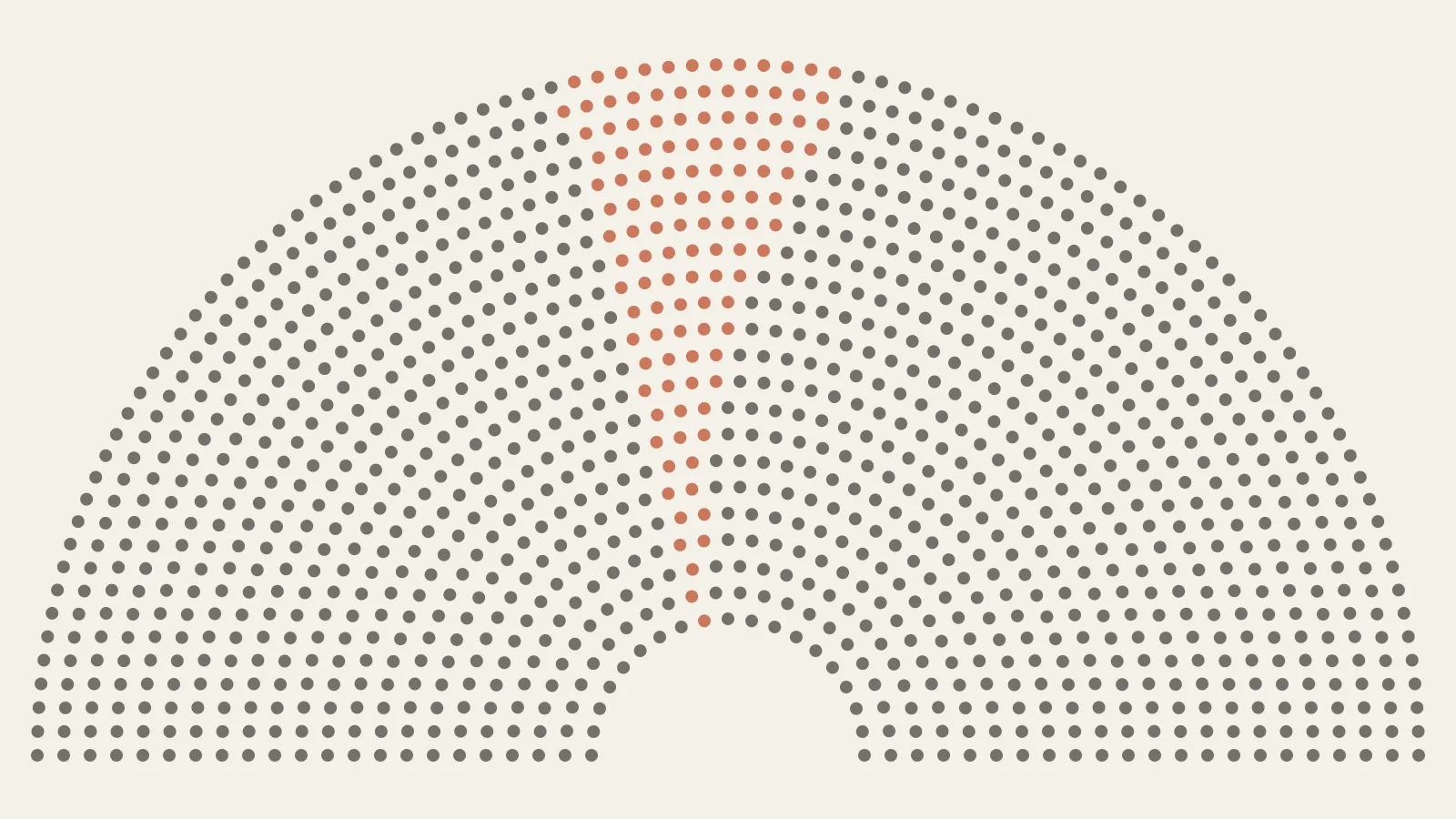
OpenAI and Anthropic’s combined lobbying doubled. Big Tech’s stayed flat.
Any company that lobbies Congress or federal agencies has to file a quarterly report under the Lobbying Disclosure Act, estimating what it spent and naming its lobbyists and the issues they worked on. The Senate publishes every report at lda.gov. These filings are the most detailed public record of what companies spend to shape federal policy. The rise in AI companies’ lobbying has already drawn coverage from Axios and Bloomberg Government. We compared the two leading AI labs, OpenAI and Anthropic, with five Big Tech companies over the same January–September months of each year, using the totals each company reported.
The labs doubled; Big Tech didn’t move
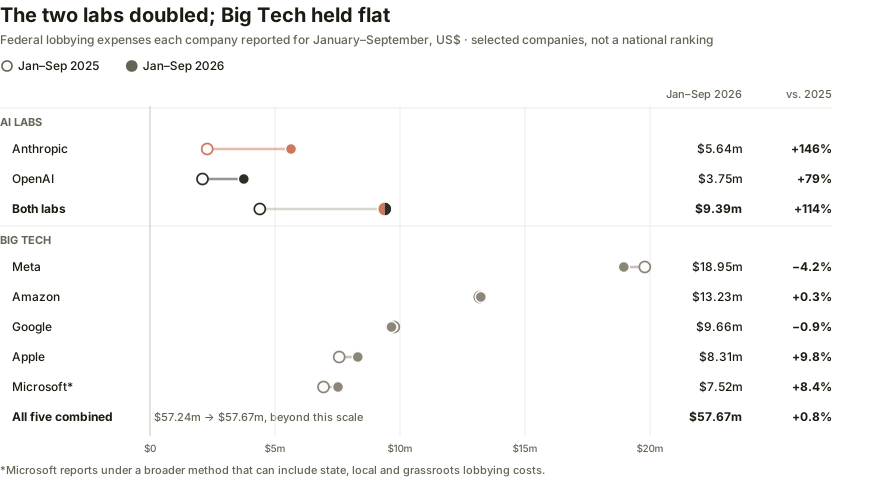
- The labs more than doubled their lobbying. Together they reported 114% more from January through September than in the same months of 2025.
- Big Tech’s combined total barely moved. Microsoft, Google, Meta, Amazon and Apple together reported 0.8% more.
- The labs now spend about as much as Google. Combined, they spent 97% as much as Google.
The labs are still small next to Meta, which spent about twice as much as they did combined. Both groups’ totals cover every issue they lobby on, not just AI. Big Tech’s flat total could hide AI spending that grew while other issues shrank.
Anthropic now outspends OpenAI
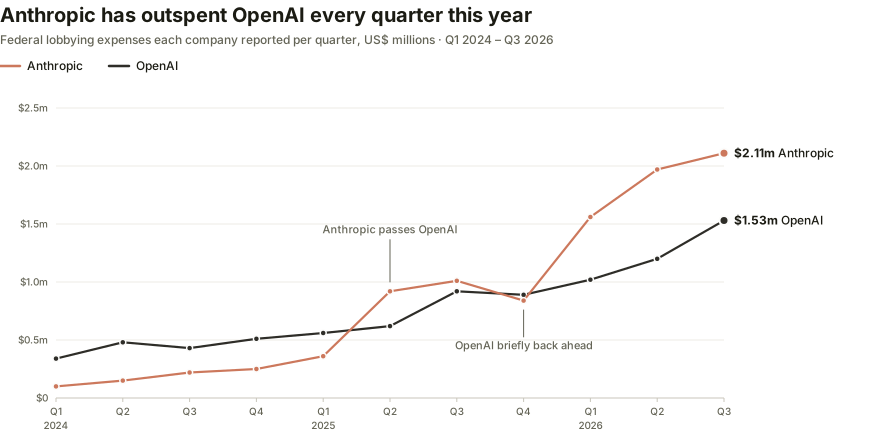
- Anthropic’s lobbying grew twelvefold in two years. The comparison covers January through September of 2024 and of 2026.
- OpenAI’s lobbying tripled over the same span. Its latest quarter was its largest since it began filing in late 2023.
- The labs swapped places. From January through September, Anthropic spent 38% as much as OpenAI in 2024 and 150% as much in 2026.
Both labs file under the same accounting method, which counts the cost of their own lobbyists and the fees they pay outside firms, so their totals compare directly.
Anthropic built a much bigger operation
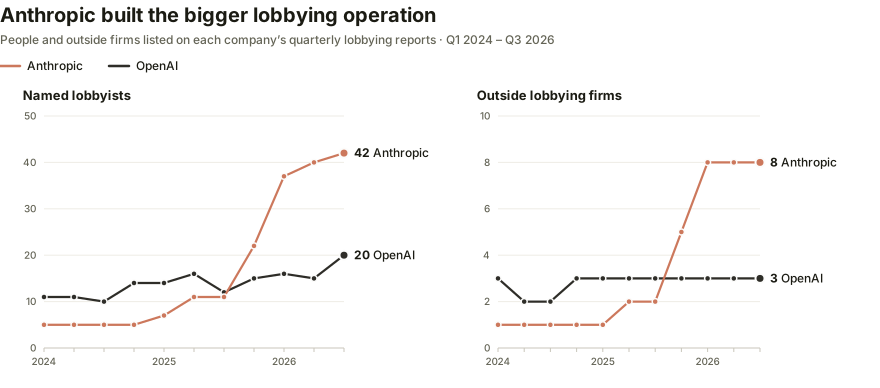
- Anthropic’s lobbyist roster grew more than eightfold in two years. The count includes its own staff and the lobbyists at the firms it hires.
- It now hires eight outside lobbying firms, up from one. Most joined between October 2025 and March 2026.
- OpenAI’s roster doubled over the same two years. It has kept the same outside firms since late 2024.
The filings name the issues and bills each lab lobbied on, but not which side it took. Both labs’ latest reports cover AI safety and oversight, and both mention a draft AI bill from Senators John Thune and Amy Klobuchar. Beyond that, OpenAI’s reports add copyright and the cybersecurity of frontier models. Anthropic’s reports also cover export controls on AI chips, energy costs tied to data centers, the annual defense authorization bill and child safety, including the Kids Online Safety Act. Anthropic’s third-quarter reports cite 20 bills by number; OpenAI’s reports haven’t cited a bill since 2024.
How we built this
Our agent downloaded every quarterly report filed by or on behalf of these companies from 2022 through the third quarter of 2026 using the Senate’s LDA API, retrieved on November 3, 2026, and kept the latest amended version of each report. For each company and quarter we used the company’s own reported lobbying expenses, which already include the fees it pays outside firms, so the firms’ reports aren’t added on top. Every comparison uses the same January–September months. Google’s figures come from its main reporting entity, Google Client Services LLC, and no company’s total adds in separately filing subsidiaries. Anthropic’s 2023 filings cover only its outside firm’s income, so the charts begin in 2024. Lobbyist counts are the distinct people named on a quarter’s reports, including those at outside firms, and aren’t full-time equivalents; firm counts include only firms that reported activity or income that quarter.
The amounts are rounded estimates the companies report themselves. Microsoft uses a broader accounting method that can include state and grassroots costs. Excluding Microsoft, the other four fell 0.3%. Over shorter windows the gap holds, though the labs’ growth is smaller; from April through September they grew 96% and Big Tech 3.8%. The reports leave out political donations and most lobbying done through trade associations, and they don’t show what the spending achieved. Per the Senate’s API terms, “Senate Office of Public Records cannot vouch for the data or analyses derived from these data after the data have been retrieved from LDA.gov.”