The ten best AI models cost eight times as much per task as two years ago
Using the most capable models is getting more expensive. Village’s LLM Atlas scores each model’s capability at each reasoning setting and estimates its cost for one task from two agentic benchmarks: Terminal-Bench 2.1, where models fix code in a terminal, and GDPval, where they produce professional documents. By that measure, the median cost of the ten most capable models, which we call the top ten, has risen eightfold in two years.
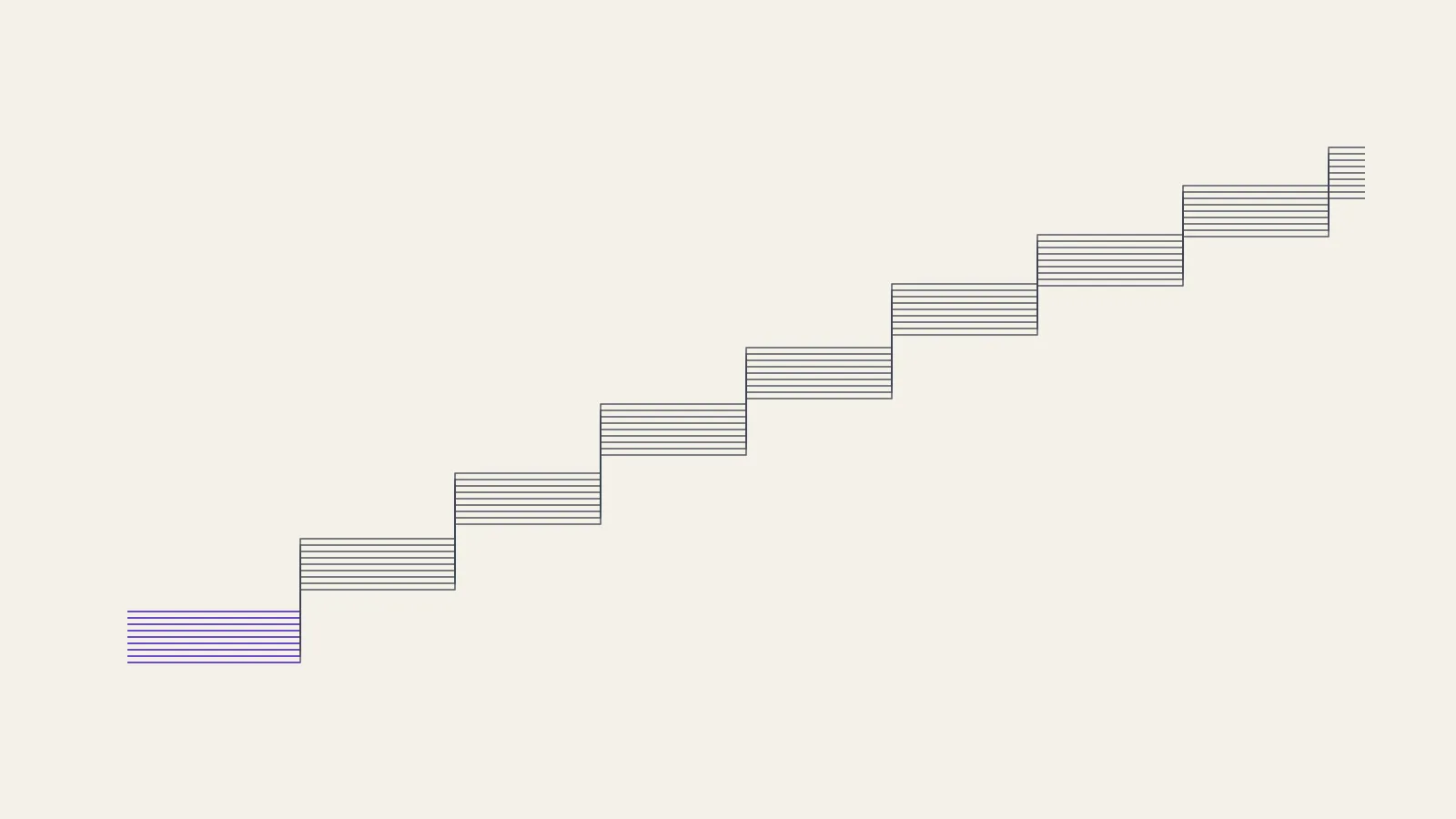
The top ten’s cost per task rose eightfold in two years
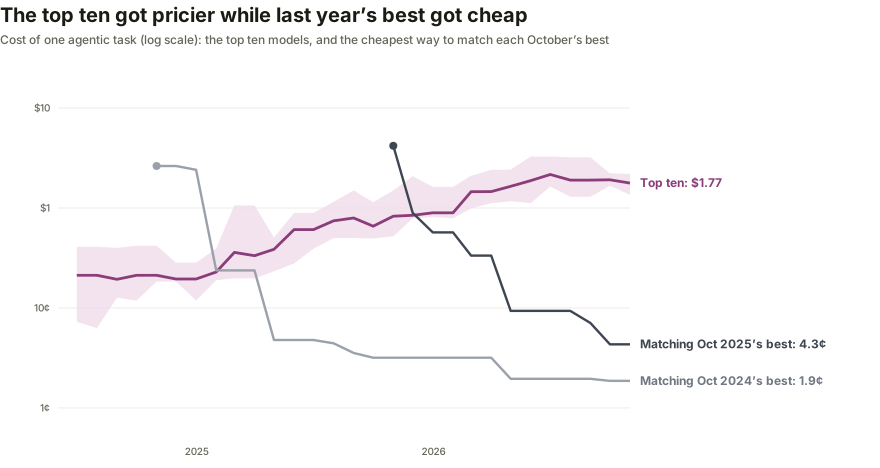
- The top ten now cost a median of $1.77 a task. That is up from 21 cents in October 2024.
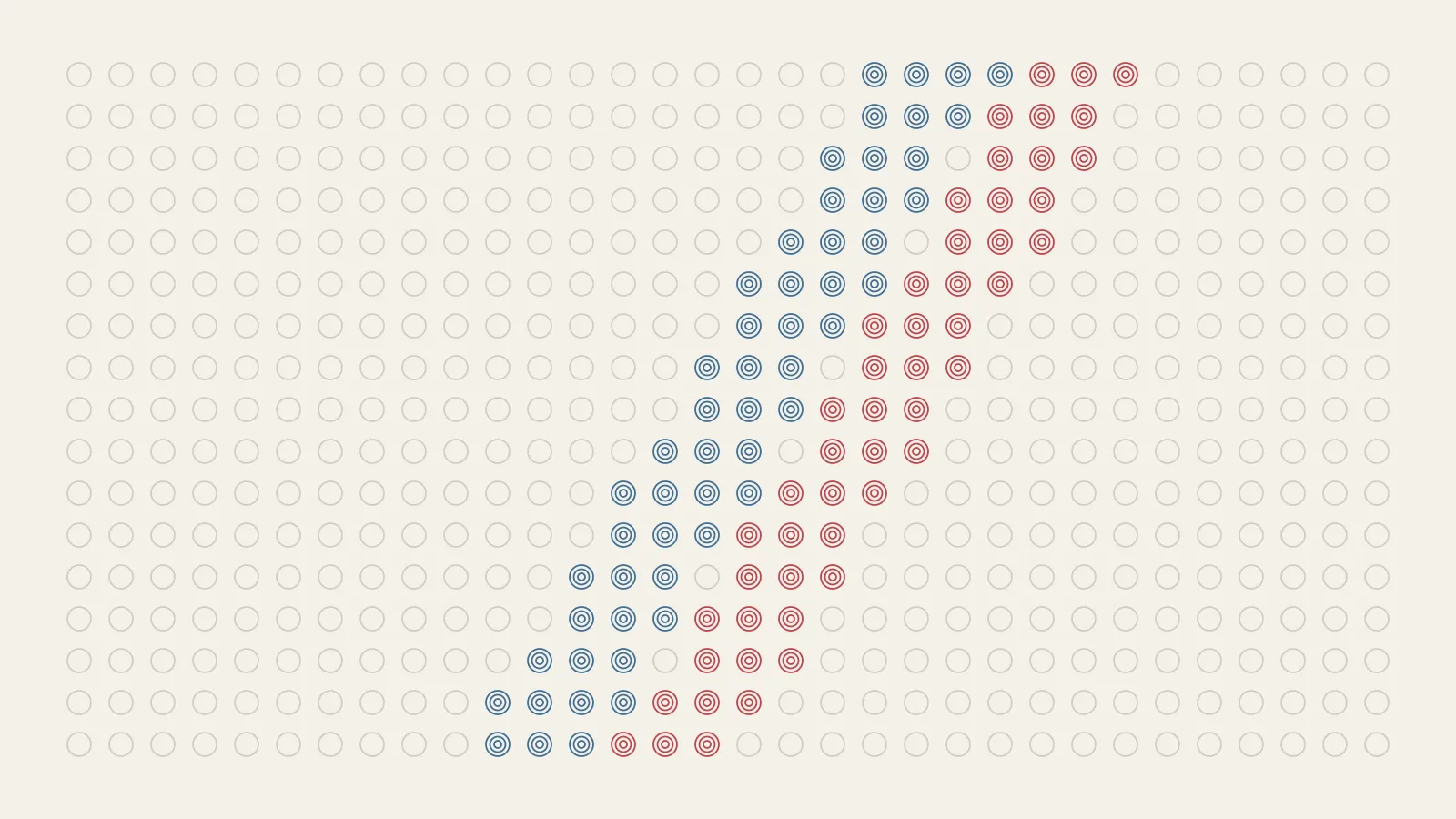
- Matching last year’s best model now costs 1% of its launch price. GPT-5 Pro (high), the most capable model in October 2025, cost $4.19 a task; the cheapest model that scores as high today costs 4.3 cents.
The gap between last year’s best and this year’s top ten is now about 40-fold: 4.3 cents a task against $1.77.
Max reasoning, first offered in February, now accounts for eight of the top ten models
Part of the rise comes from reasoning settings, which control how long a model thinks before it answers. Every token of thinking is billed, and labs keep adding higher settings.
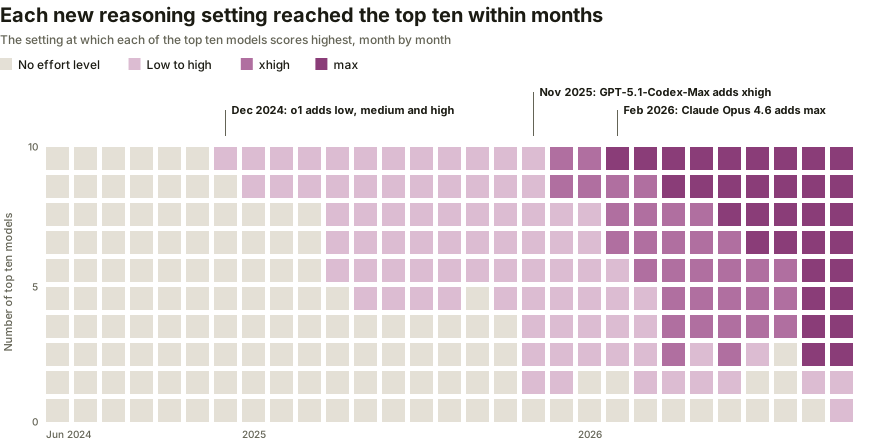
- Each new setting reached the top ten within months. Max first appeared in February 2026; today eight of the top ten score highest at it.
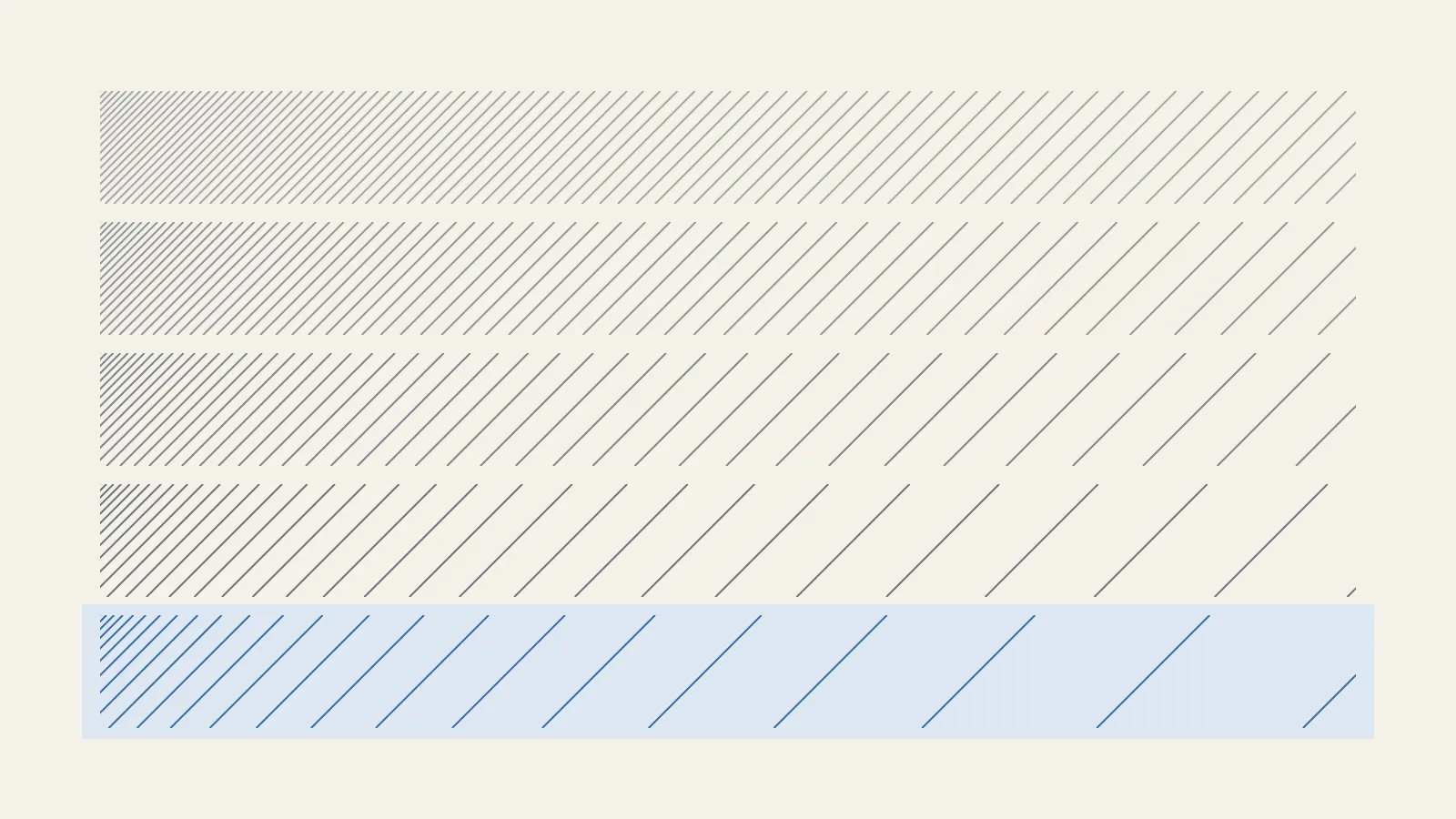
- Each step up costs more than the last. Across models that offer both, max costs a median 60% more per task than xhigh, more than twice what xhigh adds over high.
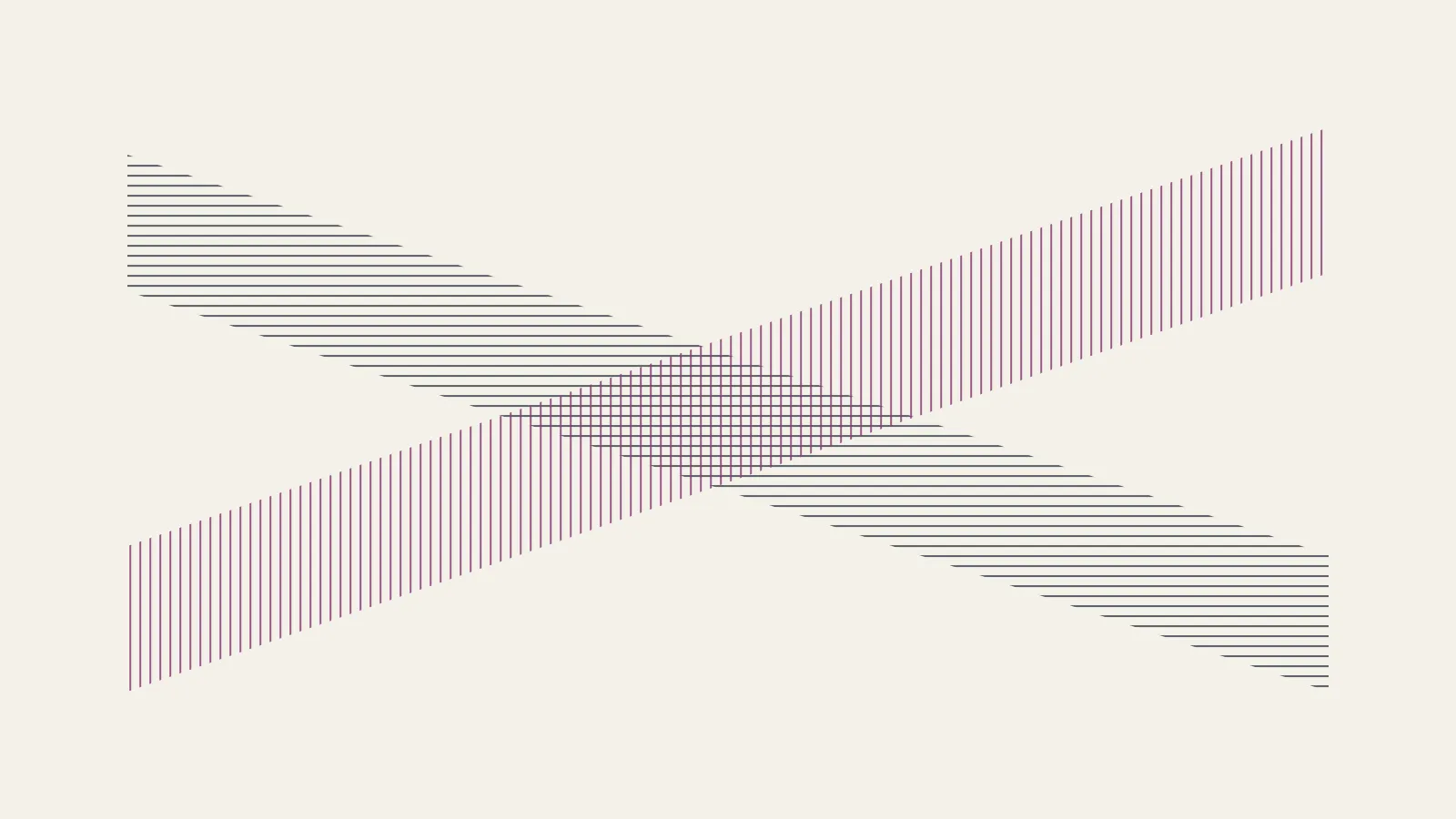
- Together, the settings add about two-thirds to the top ten’s cost. Counting only each model’s default setting, that cost rose fivefold in two years rather than eightfold.
Unlike a model’s price, its reasoning setting is the buyer’s choice, and the highest setting is the poorest value.
Moving Claude Opus 5.5 from xhigh to max nearly triples its cost per task for just 0.6 capability points, on a scale where the top ten span about three.
GPT-6.1 Sol at xhigh scores within two points of the top ten’s leader for 41 cents a task, less than a quarter of the top ten’s median cost. For most work, a setting one or two steps below the maximum gives nearly the same capability for a fraction of the cost.
How we built this
This study uses Village’s LLM Atlas, which estimates a capability score for each model and reasoning setting from public benchmark results and, with a separate cost model, the typical dollar cost of a task from evaluators’ runs, described in its methodology. Agentic tasks are the cost model’s Terminal-Bench 2.1 and GDPval workload. On each date, the top ten are the ten most capable models released by then, each at its most capable setting with a cost estimate; their cost is the median of those ten. A level’s cost is the cheapest setting released by then that scores at least that high. The scores and costs are from November 2, 2026; Atlas updates as new results arrive.
Settings without a cost estimate are left out, including premium tiers such as GPT-6 Astra Pro, so the rise is if anything understated. A setting’s arrival is the release of the first model whose lab offered it. GPT-5.1-Codex-Max, the first with xhigh, has no cost estimate, so xhigh reaches the chart’s top ten a month later with GPT-5.2. Agentic costs for 2024 models are the cost model’s estimates rather than measured runs. Using the five most capable settings instead, or only models scored on at least 10 benchmark families, gives a similar rise.